

Sexual desire is not one-size-fits-all. In marriage many spouses experience sexual desire in different ways. Understanding the different types of sex drives can help you and your spouse appreciate one another more deeply, avoid miscommunication, and build greater intimacy.
In this article we’ll unpack three distinct types of sexual desire, show examples of each, and weave in research, including findings from the Gottman Institute and other experts, so you can see what the science tells us.
What is “Sex Drive”?
First, a quick definition. Sex drive (also called libido) is the motivation or desire to engage in sexual activity. It can be influenced by biology, psychology, emotional intimacy, context (stress sleep etc.), relationship dynamics, hormones, life stage, and more.
Spouses may have different “baseline” sex drives or different styles of desire. That difference isn’t inherently bad; it becomes problematic when spouses misinterpret or don’t communicate about those differences.

The Three Types of Sexual Desire
Drawing on recent research (including but not limited to work by Emily Nagoski, the Gottman Institute, and others) we can describe three broad types of sexual desire. Most people have a primary style but can experience more than one type over time or in different contexts.
| Type of Desire | What It Feels Like / How It’s Triggered | Who Often Experiences It / Common Situations | Example with a Spouse |
| Spontaneous Desire | This is desire that seems to come “out of nowhere” without a lot of external prompting. It might be triggered by attraction, a moment of romance, seeing one’s spouse in a certain way, or even just mood. It often arises suddenly. | More common among men in many studies, but some women also experience spontaneous desire strongly. Those whose nervous systems / biology respond quickly to erotic cues often report this. Also easier when stress is low, sleep is adequate, emotional closeness is high. | imagine a husband who comes home from work unexpectedly, sees his spouse cooking dinner, maybe smelling good, feeling vibrant, and he gets aroused simply from that moment. For his spouse, this kind of desire is always accessible, even when life is busy. |
| Responsive Desire | Here desire does not appear first but rather in response to intimacy, touch, emotional connection, or erotic stimulus. The desire comes after something else has stirred the person (affection, mood, environment, connection). It may require time or particular conditions. | More common among women in the research, though not exclusively. Those for whom emotional safety, closeness, stress reduction, or mood are important often find responsive desire to be their norm. Also, when apprehensions or mental load are heavy, spontaneous desire is less common; responsive desire may take precedence. | for example a wife may not feel desire at the start of the day, but after a long afternoon of quality time together, cuddling, a thoughtful text, feeling seen by her spouse, she begins to feel desire. It may not be immediate but builds. Her spouse may need to understand that initiating physical connection in gentler ways helps. |
| Contextual / Fluctuating Desire | This refers to desire that changes depending on context: stress, life stage, health, sleep, mood, relational stress, external demands. One may feel high desire in certain weeks or seasons and low desire in others. Context plays a large role. | Very common for both men and women. For example spouses under heavy work pressure, new parents, illness, or emotional strain often report shifts. Research shows that women’s desire tends to decline more steeply over time in marriage, especially in the first few years, though men may also be affected. | for instance a spouse who usually feels spontaneous desire may, during a period of exhaustion following the birth of a child or during chronic stress, feel almost none. Or perhaps during a vacation, both spouses feel desire surge because stressors are lower. |

What Research Says: Insights from Marriage Experts
Here are some findings from the Gottman Institute and other experts that help illuminate how these different types of desire show up in married life.
- The Gottman Institute distinguishes between spontaneous desire and responsive desireand teaches that both are normal.
- In Gottman research and writings, one myth they challenge is that desire must always feel spontaneous. Many spouses (especially wives) experience desire that is more responsive — triggered by connection, physical cues, emotional safety, or environmental factors.
- Longitudinal studies show that over the first four or five years of marriage, average wives’ sexual desire for their spouse tends to decline steadily, whereas average husbands’ desire remains more stable. Crucially the decline in wives’ desire often predicts declines in marital satisfaction.
- Desire discrepancy (where one spouse wants sex more frequently or more spontaneously than the other) is very common. Research shows that mismatched sex drives are one of the most frequently reported sexual challenges in long-term relationships. Those mismatches correlate with lower satisfaction if they are not addressed.
- Also from research: higher emotional intimacy is linked with higher sexual desire for both spouses, but especially when desire is responsive. In other words feeling close, understood, emotionally safe tends to help desire grow. Men on average report higher baseline desire, but the strength of the link between intimacy and sexual desire is similar for both genders.
Why Understanding These Types Matters for Spouses
- Reduces Misunderstanding: If a spouse expects spontaneous desire always, they may misinterpret responsive desire as lack of interest or rejection. Knowing these types helps avoid blaming.
- Improves Communication: Being able to say “I often need emotional safety, or a physical cue, or time together before I feel desire” is powerful. It invites compassion rather than conflict.
- Allows Better Planning: Knowing your styles helps both spouses adapt. For example if one spouse experiences responsive desire, environmental or relational cues can be cultivated: time alone together, touch, reducing stress, small romantic rituals.
- Preserves Emotional Intimacy: Recognizing shifts (context) and being gentle with each other during low desire phases helps maintain closeness. If spouses assume desire should always match or be constant, disappointment deepens over time.

What Spouses Can Do: Tips for Working with Different Sex Drives
- Talk openly about your style of desire. Don’t assume your spouse knows. Say what feels natural for you and ask them about what feels natural for them.
- Honor both styles. If one spouse has mainly spontaneous desire and the other responsive, find ways to use both: spontaneous surprises and regular rituals that spark connection.
- Cultivate intimacy and connection outside of the bedroom. Emotional closeness, affectionate touch, shared laughter, meaningful conversations fuel responsive desire.
- Manage context: sleep, stress, health, relationship satisfaction matter a lot. Low desire phases often link to poor rest, health issues, unresolved conflict, or emotional disconnection.
- Be patient with decline. It is common for desire (especially responsive desire, especially for wives in many studies) to decline over early years of marriage. Recognizing that decline does not have to mean the end of intimacy but a call to adapt, communicate, and recommit to connection.
- Avoid shame or self-judgment. Having responsive or fluctuating desire does not mean failing. Both spouses deserve respect and understanding for their experience.
Final Thoughts
There is no “right” style of desire. Spontaneous desire, responsive desire, and contextual/fluctuating desire are all natural ways that humans experience sexual drive. The goal in a marriage is not matching desire exactly all the time but creating safety, understanding, compassion and communication so both spouses feel seen, valued, and able to connect.
When spouses understand each other’s sexual desire style they open the door to deeper intimacy and more satisfying sexual connection over the long haul.
Check out the amazing UandI App to transform your relationship!
Here’s a sneak peek at what’s included:
- Daily Challenges – Emotional and intimate challenges to keep your connection strong.
- Date Night Challenges and Adventures – Ideas and tips for unforgettable date nights.
- Quizzes – Fun ways to learn more about each other.
- Live Polls – Engage in real-time with your spouse.
- Ask an Expert – Get relationship advice from professionals.
- Interactive Games – Including “How Well Do You Know Your Spouse?” and non-graphic sex position games.
- Intimate Conversations – Foster deep, meaningful conversations.
- Secure Chat Feature – A private space for just the two of you.
- Harmony Home – Organize and sync your household chores and schedules.
FREE to Download and Get Started!

We believe this app can be a game-changer for your marriage, helping you build stronger emotional intimacy, stay organized, and even add some extra spice to your relationship. It’s totally free to download, so there’s no reason not to give it a try today!
For more information, visit uandiapp.com and get started on the journey to a more connected, exciting marriage.
We can’t wait to hear how the U&I app helps you and your spouse create the marriage you’ve always dreamed of. Here’s to stronger bonds, more fun, and lots of love!


AMAZING Products To Transform Your Intimacy
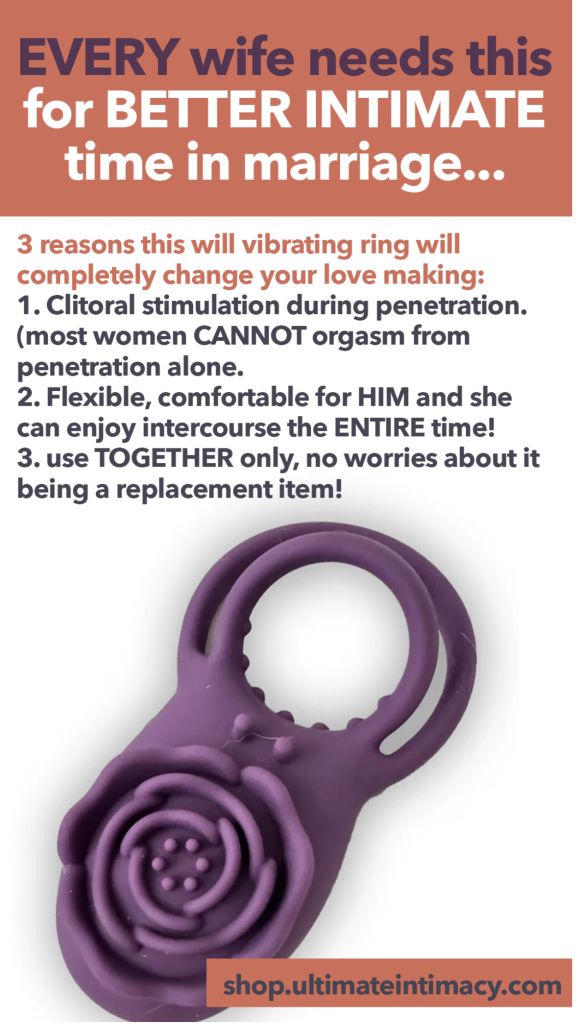
We offer tons of great intimate products, card decks, games, lubricants, massage oil and so much more to spice up and enhance the intimacy in your relationship. We are a “Christian friendly” store and offer FREE shipping in the USA! Just click on the image below to go to our store.