


One of the most important aspects of a deeply connected and fulfilling marriage is the ability to show love in ways that actually make your spouse feel loved. Most couples genuinely care about each other, yet many unintentionally miss the mark in expressing affection. The reason is simple. They speak different love languages.
The concept of love languages, introduced by marriage counselor Gary Chapman, explains that people give and receive love in different ways. When spouses speak different love languages, it is similar to speaking different languages entirely. Your spouse may be pouring love into the relationship, but if it is not communicated in the way you understand best, it may feel like very little love is being expressed at all.
Research shows that couples who intentionally practice each other’s love language experience higher levels of marital satisfaction, emotional closeness, and intimacy. Couples who misunderstand or neglect each other’s languages often feel disconnected even when both are trying. In fact, studies in marital therapy have found that emotional miscommunication is one of the top predictors of dissatisfaction in marriage. Understanding the love languages bridges that emotional gap and creates a stronger foundation for connection and intimacy.
Below is a breakdown of each love language, why it matters, and how speaking the wrong one can feel like trying to communicate with someone who does not understand the language you are using.
Before we dive in, here is a fun poll we did to some of our audience.

Words of Affirmation
For some spouses, words carry enormous power. Verbal appreciation, compliments, encouragement, and expressions of love fill their emotional tank. When a spouse speaks this language, negative or absent words can feel especially hurtful.
If your spouse’s primary love language is words of affirmation, but you tend to show love through gifts or acts of service, they may still feel unloved despite your efforts. It is not because they do not appreciate what you do, but because what they crave most is verbal affection.
According to relationship studies, couples who express appreciation verbally daily report higher emotional satisfaction and closeness than couples who rarely affirm each other. Words create connection.
How to speak this language:
- Tell your spouse what you love about them
- Send unexpected texts that express appreciation
- Verbally acknowledge their efforts or strengths
- Express admiration in front of others

Acts of Service
For other spouses, love is shown through helpful actions. Cooking a meal, assisting with chores, running errands, or taking responsibilities off their plate all communicate deep love and care.
If your spouse values acts of service but you primarily show love through physical affection or gift giving, your gestures may not land in the way you intend. They may think, I appreciate the affection, but I really needed help today.
Research from marriage therapy settings shows that couples who share responsibility and support one another practically experience lower stress and greater relationship satisfaction. Acts of service send the message, I see you and I want to make your life easier.
How to speak this language:
- Ask, What can I do today that would help you the most
- Do tasks before being asked
- Help carry emotional and physical load in the home
- Show thoughtfulness by anticipating needs
Receiving Gifts
This love language is not about materialism. It is about meaningful symbols of love. For these spouses, gifts represent thoughtfulness, attention, and emotional presence.
When a spouse values receiving gifts, the absence of special or thoughtful items can feel emotionally empty. If you primarily show love through quality time or physical touch, your spouse may still feel something is missing because they long for symbolic reminders of your affection.
Research in emotional bonding shows that tangible symbols often create lasting emotional memories, strengthening connection and positive feelings in marriage. It is not about the cost, but about the intention behind it.
How to speak this language:
- Bring home small surprises that show you were thinking of them
- Give handwritten notes or meaningful tokens
- Remember important dates and celebrate them
- Personalize gifts to your spouse’s personality and interests

Quality Time
For some spouses, nothing says love like undivided attention. Quality time means intentional, focused presence, not simply being in the same room.
If your spouse values quality time but you express love mainly through acts of service or words of affirmation, they may still feel distant. They may think, I hear your words and appreciate your help, but I miss you.
Studies show that couples who consistently spend meaningful time together report stronger emotional intimacy and lower conflict. Time fosters connection and helps couples feel grounded in their relationship.
How to speak this language:
- Put away distractions and be fully present
- Plan activities you both enjoy
- Have regular date nights and intentional conversation
- Ask deeper questions that open emotional connection
Physical Touch
For some spouses, touch is the core of emotional connection. Holding hands, cuddling, kissing, or a gentle touch on the arm can communicate love instantly.
If your spouse values physical touch but you mainly show love through gifts or acts of service, they may feel emotionally disconnected even though you are trying. They might think, I see what you do for me, but I do not feel close to you.
Research on intimacy shows that physical touch stimulates bonding chemicals like oxytocin, which strengthen feelings of safety, trust, and closeness in marriage. Physical touch includes sexual intimacy.
How to speak this language:
- Hold hands regularly
- Hug when you reconnect after time apart
- Sit close or touch when talking
- Make physical affection a daily habit

When You Speak Different Love Languages
Speaking a different love language than your spouse often leads to misunderstanding. You may think you are showing love consistently, yet your spouse may not feel it deeply because you are not speaking their language. This is why many couples feel disconnected even though both are putting effort into the marriage.
Misalignment in love languages is one of the most common patterns therapists see in couples who feel emotionally distant. When both spouses learn to speak each other’s language, emotional connection increases dramatically.
Final Thoughts
Marriage is built on connection, communication, and intentional love. When you understand your spouse’s love language, you unlock a deeper way of loving them that speaks directly to their heart. This mutual understanding builds trust, emotional intimacy, sexual connection, and long term satisfaction.
Ultimate Intimacy encourages every couple to discover their love languages and then practice them daily. When you speak the language your spouse understands, your marriage becomes richer, more meaningful, and more deeply fulfilling.
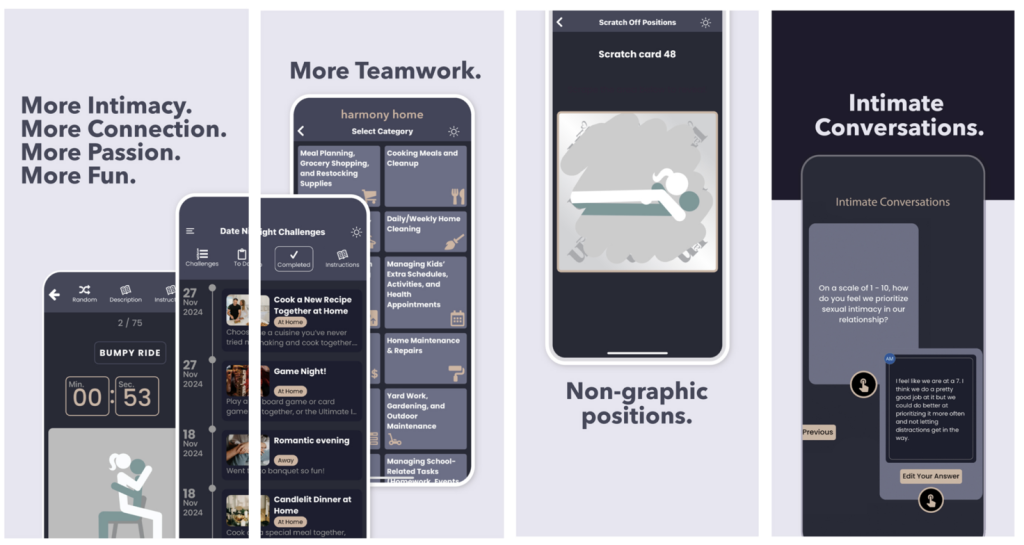
UandI App
Want Access To More Positions, Intimate Games And Tons Of Resources To Enhance Your Relationship?
Download The UandI App for free today by clicking on the image below!


AMAZING Products To Transform Your Intimacy
We offer tons of great intimate products, card decks, games, lubricants, massage oil and so much more to spice up and enhance the intimacy in your relationship. We are a “Christian friendly” store and offer FREE shipping in the USA! Just click on any of the images below to go to our store.