


In this article, we explore the dynamics of sexual control in marriages, particularly the influence many wives have over sexual intimacy, the impact it can have on relationships, and practical steps couples can take to create a healthier balance. Understanding this aspect of marital intimacy can help both spouses feel more fulfilled, respected, and connected.
Many couples struggle with the question of who controls the sexual rhythm in the relationship. In most marriages, whether done intentionally or unintentionally, wives often determine if sex happens, when it happens, and the circumstances surrounding it.
For some husbands, fear of rejection, fear of conflict, or past experiences can make them hesitant to initiate intimacy. As a result, sexual activity can become something that is largely up to the wife, leaving some marriages disconnected or even approaching sexless states.
A recent discussion on our podcast highlighted this very topic. In episode 170 titled, “Do Women Have Complete Control And Say So When It Comes To Sexual Intimacy,” we dive into why this happens and strategies couples can use to foster mutual respect, shared decision making, and a more balanced sexual connection.

Recognizing the Spectrum of Influence
In many marriages, wives often find themselves in the driver’s seat when it comes to sexual matters. They may decide if intimacy occurs, when it occurs, and how it unfolds. While this is not a universal experience, it is a common theme we observe among many couples. It is important to approach this discussion with nuance and empathy. There are many reasons why a wife may assume this level of control, including differences in sexual desire, previous experiences, or communication patterns within the marriage.
To better understand this, we conducted a poll with our audience asking, “Do you feel like your wife controls when sex happens?” The results highlighted a significant pattern linked to differences in desire styles between husbands and wives.
Most wives tend to have a responsive desire style. Their interest in sex is often ignited through foreplay, emotional connection, or arousal cues rather than spontaneous desire. Conversely, most husbands experience a spontaneous desire style, where arousal can occur quickly and be triggered by stimuli.
This difference means that for many wives, sexual intimacy does not happen unless they first feel aroused or emotionally prepared for it. Understanding this distinction is crucial in addressing why some husbands may feel that their spouse controls the timing and occurrence of sex.

The Role of Foreplay and Desire Styles
Foreplay has traditionally been essential in nurturing a wife’s arousal and fostering intimacy. Yet, as conversations about sexual fulfillment and marital satisfaction become more mainstream, new challenges arise. Couples are now navigating societal messages encouraging mutual sexual satisfaction while also confronting personal and cultural beliefs about control and consent.
The difference in desire styles often creates a natural tension. A husband may be ready for intimacy while his wife requires emotional and physical cues to reach the same state of readiness. Without open communication and understanding, this can reinforce the perception that the wife has complete control over the sexual aspect of the marriage.
Deconstructing the Narrative
A contentious element in this discussion is the perception that some women may intentionally exert power over sexual intimacy. Certain voices in society have suggested that wives should dictate when, how, or if they engage sexually. Some even claim sex can be used as a tool to gain compliance or achieve personal goals.
While past experiences and negative encounters can shape a wife’s perspective, using sexual intimacy as a means of control is unhealthy for any marriage. Most husbands are aware of these ideas and often feel frustrated, trapped, or fearful of initiating intimacy. The result can be a marriage where the wife’s preferences dominate sexual decisions, leaving the husband feeling disconnected or powerless.
It is essential to clarify that healthy intimacy should never involve manipulation or coercion. Consent, mutual desire, and emotional connection must form the foundation of sexual interactions. The goal is to move away from misconceptions and focus on collaboration, mutual satisfaction, and shared responsibility for sexual intimacy.

Navigating the Path to Mutual Intimacy
Couples who want to foster a more balanced sexual relationship can take practical steps to address the dynamics of control. These strategies help ensure that both spouses feel valued, desired, and connected.
Open Conversations: Honest dialogue is the cornerstone of intimacy. Couples should discuss their desires, expectations, and concerns about sexual activity. Speaking openly about how each spouse experiences desire can prevent misunderstandings and resentment.
Shared Expectations: Establish clear and mutual expectations regarding frequency, timing, and preferences for intimacy. This alignment ensures both spouses feel heard and respected.
Prioritize Balance: Sexual intimacy is a vital part of a healthy marriage, but it should not be the sole measure of connection. Emotional intimacy, shared activities, and consistent communication are equally important to sustaining a fulfilling relationship.
Avoid Manipulation: Sexual intimacy should be an act of love and connection, not a tool for negotiation or control. Couples should strive to create shared experiences that strengthen their emotional bond.
Communicate Consent: Mutual consent is non-negotiable. Spouses should discuss comfort levels, boundaries, and preferences openly. Establishing clear consent fosters trust and reduces feelings of pressure or imbalance.
Explore Together: Discovery and experimentation can strengthen a sexual relationship. Couples should explore what brings pleasure to both spouses, whether through new experiences, activities, or simple acts that increase intimacy. Introducing novelty, such as shared games or new experiences, can keep the sexual connection dynamic and mutually satisfying.
Encouraging Collaborative Decision Making
The key to addressing perceived sexual control is collaboration. Both spouses should feel empowered to express their desires and initiate intimacy without fear of conflict or rejection. This shared responsibility creates a more equal partnership where sexual intimacy becomes a mutually enjoyable and fulfilling aspect of the marriage.
Research supports the benefits of collaboration in sexual relationships. A study published in the Journal of Sex Researchfound that couples who communicate openly about sexual desires and preferences report higher sexual satisfaction, greater emotional closeness, and stronger marital stability. Mutual decision making not only improves sexual fulfillment but strengthens the overall bond between spouses.

Conclusion
Sexual intimacy is a vital component of a thriving marriage. While many wives may naturally influence when and how sexual activity occurs due to desire differences, it is crucial to foster balance and shared responsibility. Couples who prioritize open communication, mutual consent, and collaborative exploration create a healthier, more fulfilling sexual relationship.
Recognizing individual preferences while promoting joint decision making ensures that both spouses feel respected, desired, and connected. Every marriage is unique, and achieving sexual harmony requires empathy, understanding, and a willingness to grow together. By embracing collaboration rather than control, couples can create a lasting foundation of trust, intimacy, and shared satisfaction in their marriage.
Check out our great podcast on this subject titled: 170. Do Women Have Complete Control And “Say So” When It Comes To Sexual intimacy?

Don’t Settle for Ordinary In your marriage!
Marriage is one of life’s greatest adventures, but it takes attention, care, and creativity. With the Uandi app, you have everything you need to reignite emotional closeness, spark sexual passion, and make every day together meaningful.
We created the UandI App because we needed it ourselves, and we can honestly say it changed our marriage. Whether you’re struggling to reconnect or just want to take your relationship to the next level, UandI makes it fun, easy, and effective.
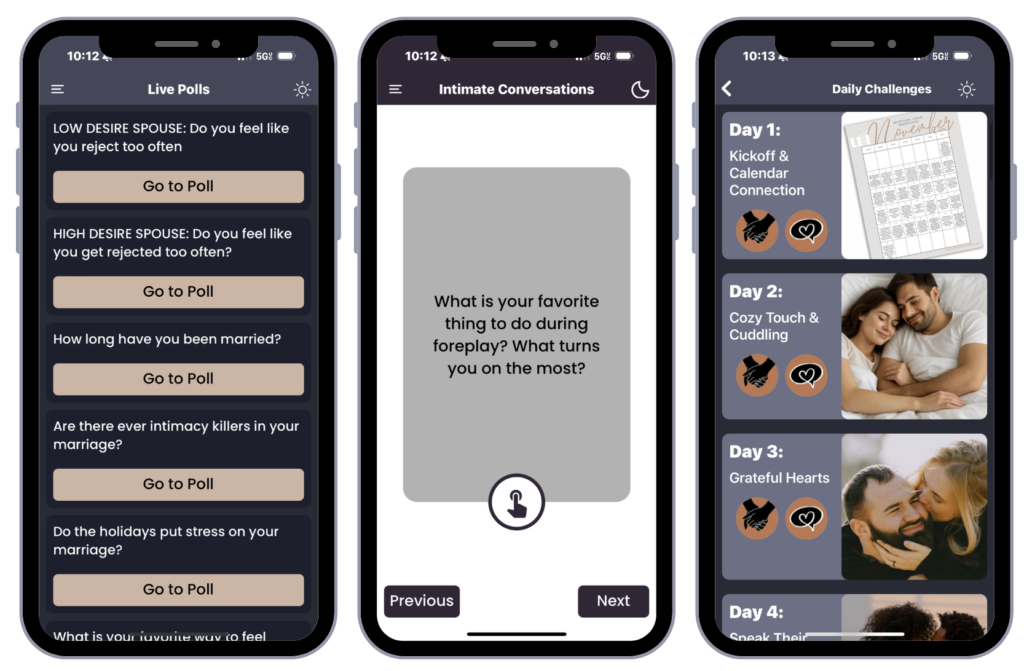
With daily challenges, date night planning, intimate games, conversation cards, and so much more, there is truly something for every couple. Stop letting routine steal your intimacy. Your marriage deserves to thrive, not just survive.

Check out the Uandi app today at uandiapp.com and start transforming your marriage!