

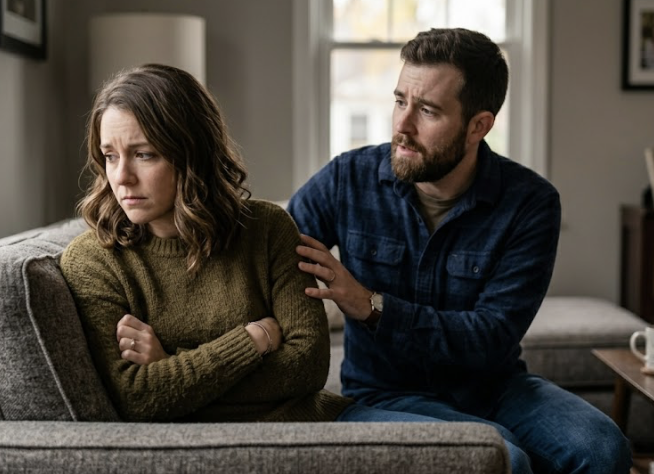
Many couples are surprised to learn that the way they show love, handle conflict, and respond to emotional closeness is not random. It is often shaped by something called attachment style.
Attachment theory comes from decades of psychological research, originally developed by John Bowlby and later expanded by Mary Ainsworth. It explains how early emotional experiences with caregivers can influence how we relate to others in adulthood, especially in marriage and close relationships.
Understanding attachment styles can be a game changer for your relationship. It helps explain why you and your spouse may respond differently to conflict, intimacy, or emotional distance. More importantly, it gives you a path toward greater understanding and connection instead of confusion and frustration.
There are four main attachment styles: secure, anxious, avoidant, and fearful avoidant. Each one shows up differently in marriage.
Secure Attachment
Secure attachment is considered the healthiest attachment style.
A spouse with secure attachment typically feels comfortable with emotional closeness and also comfortable with independence. They trust their spouse, communicate openly, and are generally consistent in their emotional responses.
In marriage, a securely attached spouse is able to say what they need without fear of rejection. They are also able to listen and respond to their spouse’s needs with empathy.
During conflict, they are more likely to stay calm and work toward resolution rather than escalate or shut down.
Secure attachment does not mean perfection. It simply means emotional stability and a strong sense of trust in the relationship.
Research in relationship psychology, including work referenced by Dr. John Gottman, shows that emotional regulation and trust are key predictors of long term marital success. Secure attachment naturally supports both.
The good news is that even if you do not naturally have a secure attachment style, it can be developed over time through healthy relationship experiences.

Anxious Attachment
Anxiously attached spouses often desire closeness but fear it may be lost.
In marriage, this can look like a strong need for reassurance, sensitivity to emotional distance, and concern about the stability of the relationship. A spouse with anxious attachment may overthink changes in tone, delayed responses, or perceived disconnection.
They often crave frequent communication and emotional validation. When they feel uncertain, they may become clingy, worried, or emotionally reactive.
This attachment style is not about being needy in a negative sense. It is often rooted in fear of abandonment or inconsistency in early relationships.
During conflict, an anxiously attached spouse may pursue connection more intensely, sometimes escalating conversations in an attempt to feel reassured.
The challenge in marriage is that this intensity can sometimes overwhelm a more avoidant spouse, creating a cycle of pursuit and withdrawal.
The key for anxious attachment is learning emotional self regulation while also building secure reassurance within the relationship.
Avoidant Attachment
Avoidant attachment is characterized by a strong desire for independence and emotional distance.
A spouse with avoidant attachment may value self sufficiency and feel uncomfortable with too much emotional closeness or dependence. They may not naturally express feelings or may minimize emotional needs.
In marriage, this can look like pulling away during conflict, needing space when emotions rise, or struggling to engage in deep emotional conversations.
This does not mean avoidant spouses do not love their spouse. Often they do. However, closeness may feel overwhelming or unfamiliar.
During conflict, avoidant spouses may shut down, withdraw, or focus on logic instead of emotion.
The challenge in marriage is that emotional distance can leave the other spouse feeling rejected or unloved.
Avoidant attachment is often formed when emotional needs were not consistently met or when independence was highly emphasized in early life.
Growth in this area involves learning that emotional connection is safe and valuable, not threatening.

Fearful Avoidant Attachment
Fearful avoidant attachment is sometimes called disorganized attachment.
This style combines both anxious and avoidant traits. A spouse may deeply desire closeness but also fear it at the same time.
In marriage, this can look like emotional inconsistency. One moment there is pursuit of closeness, and the next there is withdrawal or distancing.
A fearful avoidant spouse may struggle with trust, emotional regulation, and feeling safe in relationships. They often experience internal conflict between wanting connection and protecting themselves from perceived emotional harm.
During conflict, they may oscillate between intense emotional engagement and sudden shutdown.
This attachment style is often linked to early experiences of inconsistency, trauma, or unpredictable caregiving.
In marriage, it can create confusion for both spouses because the emotional signals are mixed.
Healing in this area often requires time, safety, and consistent emotional stability within the relationship.
Why Attachment Styles Matter in Marriage
Understanding attachment styles is not about labeling your spouse. It is about gaining insight into patterns that may otherwise feel confusing or personal.
Many marriage struggles are not actually about the surface issue being argued about. They are about deeper emotional needs and fears being triggered.
For example, what looks like anger may actually be fear of disconnection. What looks like withdrawal may actually be a protective response to emotional overwhelm.
Dr. John Gottman’s research highlights that successful marriages are not defined by the absence of conflict but by how couples manage emotional bids for connection. Attachment styles strongly influence how those bids are made and received.
Couples who understand their attachment patterns are better equipped to break negative cycles and build emotional safety.

How Attachment Styles Impact Your Relationship
Attachment styles show up in several key areas of marriage.
Communication
Anxious spouses may communicate frequently and emotionally. Avoidant spouses may communicate less and more selectively. Secure spouses tend to balance both expression and listening.
Conflict
Anxious attachment may escalate conflict in search of reassurance. Avoidant attachment may withdraw to reduce emotional intensity. Secure attachment tends to support resolution and repair.
Intimacy
Anxious spouses often seek closeness to feel secure. Avoidant spouses may need space to feel safe. Fearful avoidant spouses may fluctuate between both.
Trust and Security
Secure attachment builds trust naturally. Insecure styles often require intentional effort to build safety over time.
Check out this great podcast titled: 268. The Different “Attachment” Styles. Why They Are Important To Know, And How They Can Impact Your Relationship
Can Attachment Styles Change
Yes. Attachment styles are not permanent.
While early experiences shape attachment tendencies, relationships themselves can reshape them. A stable, emotionally safe marriage can help both spouses move toward greater security.
This is sometimes called “earned secure attachment.”
Key factors that support this growth include consistency, emotional responsiveness, healthy communication, and repair after conflict.
Over time, many couples find that their attachment patterns soften as trust deepens.
Final Thoughts
Attachment styles are not about putting people into categories. They are about understanding emotional patterns that influence how you and your spouse connect.
When you understand these patterns, you stop personalizing every reaction. You start seeing the deeper emotional needs underneath the behavior.
A strong marriage is not built on perfect compatibility. It is built on understanding, patience, and the willingness to grow together.
When both spouses learn to recognize and respond to each other’s attachment needs, connection becomes deeper, conflict becomes more manageable, and intimacy becomes more secure.
Awareness is the first step. Growth is the next. And over time, understanding each other at this level can transform the entire emotional foundation of your marriage.