


Perimenopause and menopause are natural stages in a woman’s life, yet they are often surrounded by mystery, misunderstanding, and silence. For many women, and their spouses, these transitions can bring both physical changes and emotional challenges.We believe that understanding, communication, and intimacy are key to navigating this complex phase with confidence and connection.
By 2030, over 1 billion women worldwide will be in perimenopause or post-menopause, and approximately 47 million women enter menopause each year. Despite its universality, menopause remains under-discussed, leaving many couples unprepared for the impact it can have on relationships.
Before diving in, you may also enjoy the amazing podcast we did on this subject titled: Over 1 Billion Women Are Currently Going Through This Life Altering Thing – One Of The Most Important Episodes We Have Ever Done.

This article explores the symptoms of perimenopause and menopause, the ways couples can support each other, and why open conversations are essential for sustaining intimacy during this life stage.
Understanding Perimenopause and Menopause
Perimenopause is the transitional phase leading up to menopause. It can begin several years before a woman’s final menstrual period and often occurs in the mid-to-late 40s. Menopause itself is defined as the point when a woman has gone 12 consecutive months without a menstrual period, typically occurring between ages 45 and 55.
During perimenopause, hormone levels fluctuate, particularly estrogen and progesterone, leading to a variety of symptoms. Menopause represents the end of reproductive years, accompanied by sustained hormonal changes that can influence both physical health and emotional well-being.

Common Symptoms to Look For
Women experiencing perimenopause and menopause may notice a range of symptoms, which can vary in intensity:
- Irregular Periods – Cycles may become shorter, longer, heavier, or lighter.
- Hot Flashes and Night Sweats – Sudden feelings of heat, often accompanied by sweating and flushing, are experienced by 75% of women during this transition.
- Sleep Disturbances – Insomnia, frequent waking, and difficulty falling asleep are common, affecting both energy levels and mood.
- Mood Changes – Anxiety, irritability, and depression can arise due to hormonal shifts.
- Vaginal Dryness and Discomfort – Reduced estrogen can cause thinning of vaginal tissue, impacting sexual comfort and intimacy.
- Decreased Libido – Hormonal changes, stress, and fatigue can contribute to a lower sex drive.
- Cognitive Shifts – Many women report difficulties with memory, focus, and mental clarity.
- Physical Changes – Weight gain, decreased bone density, and joint stiffness are also common.
Understanding these symptoms is the first step in supporting both oneself and one’s spouse through this transition. Many women struggle silently because society often normalizes the end of reproductive life without discussing its emotional and relational impact.
How Couples Can Navigate This Transition Together
Menopause is not just a personal journey, it’s a shared one. Spouses play a crucial role in supporting women through perimenopause and menopause, but navigating this period requires empathy, patience, and communication.
1. Open Communication
Open conversations are the foundation of intimacy during this life stage. Discussing symptoms, emotional changes, and sexual needs allows couples to adapt together. Instead of assuming that decreased libido or mood changes are personal rejections, spouses can approach these shifts as a natural part of life’s evolution.

2. Emotional Support
Hormonal fluctuations can cause unpredictable moods. Spouses can provide reassurance, understanding, and patience without judgment. Active listening where one validates feelings rather than immediately offering solutions, strengthens the emotional bond.
3. Sexual Intimacy and Adaptation
Vaginal dryness, discomfort, and lower libido may challenge sexual intimacy, but these issues can often be managed. Lubricants, moisturizers, hormone therapies, and alternative forms of intimacy, such as sensual touch or massage, can maintain closeness. Prioritizing connection over performance helps couples sustain a healthy sexual relationship.

4. Shared Lifestyle Changes
Physical changes such as weight gain, decreased bone density, or sleep issues can impact both spouses. Couples who adopt healthy habits together, like balanced diets, regular exercise, and stress-reduction techniques can support one another and strengthen their relationship.
5. Educate and Empower
Understanding the science behind perimenopause and menopause is empowering. Studies show that women who receive guidance about symptoms, lifestyle adjustments, and treatment options experience less anxiety and better quality of life. Sharing this information with one’s spouse ensures both spouses are informed and engaged.
Why It Matters: The Statistics Behind the Transition
The numbers underscore the universality of this life stage. By 2020, there were about 657 million women worldwide aged 45–59, many of whom were in perimenopause or early menopause. Yet despite this, less than half of women report feeling comfortable discussing symptoms with their spouse or healthcare provider.
Research also indicates that the quality of a couple’s relationship can significantly influence how women experience menopause. Women in supportive, communicative relationships report fewer depressive symptoms, better sexual satisfaction, and higher overall life satisfaction. Conversely, a lack of dialogue and understanding can exacerbate stress, emotional strain, and relationship tension.
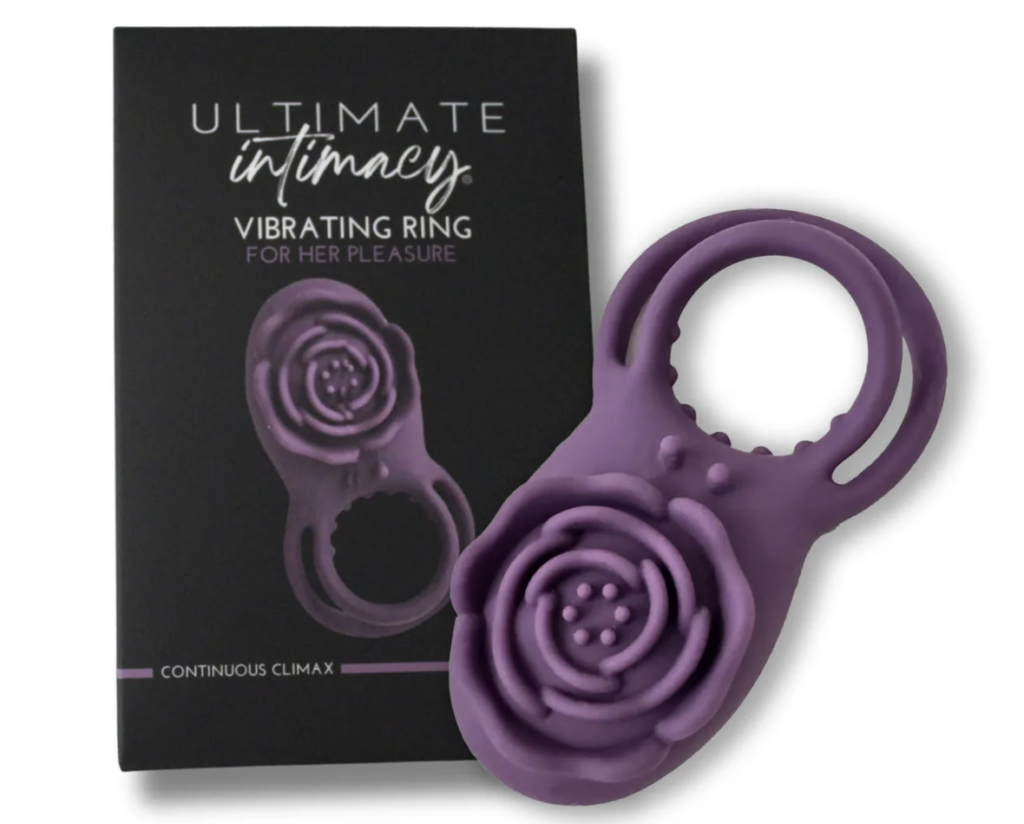
One of the tools that has helped us navigate this period of life and has been a game changer to enhance sexual intimacy is this amazing product!
The Importance of Conversations About Intimacy
Discussing menopause and intimacy is more than practical, it’s essential for emotional and relational health. Women often report that the transition can feel isolating, and spouses may feel unsure about how to help. Open dialogue can:
- Normalize the changes women experience
- Reduce misunderstandings and resentment
- Encourage experimentation with new ways to maintain intimacy
- Reinforce emotional closeness and partnership
Even small conversations such as checking in about sleep quality, mood, or sexual comfort can build trust and create a safe space for exploration and adaptation.
Thriving Through the Transition
Perimenopause and menopause are not just challenges, they can also be opportunities. Many women report a renewed sense of freedom, self-awareness, and confidence after menopause. Couples who navigate this stage together often emerge with stronger emotional bonds and deeper intimacy.
The Ultimate Intimacy Podcast emphasizes that menopause is not the end of sexual or emotional vitality, it’s a natural shift that, with awareness, support, and communication, can become a chapter of growth, exploration, and shared joy.
By acknowledging the statistics, understanding symptoms, and engaging in open conversations, couples can face perimenopause and menopause as a team. Intimacy doesn’t have to wane, it can evolve, deepen, and flourish in new and unexpected ways.
Want Access To More Positions, Intimate Games And Tons Of Resources To Enhance Your Relationship?
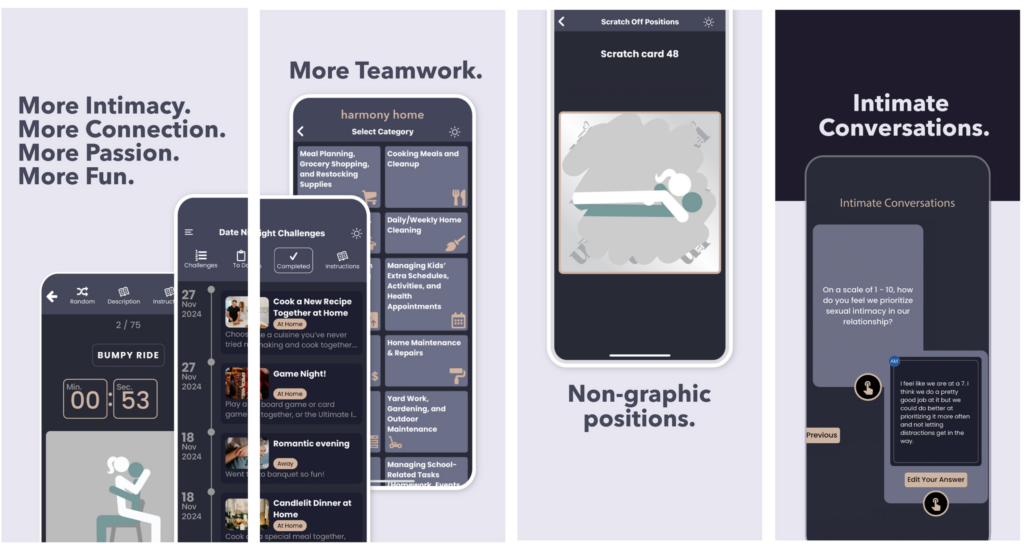
There are so many more features in the U&I app that we know you’ll love! Here’s a sneak peek at what’s included:
- Daily Challenges – Emotional and intimate challenges to keep your connection strong.
- Date Night Challenges and Adventures – Ideas and tips for unforgettable date nights.
- Quizzes – Fun ways to learn more about each other.
- Live Polls – Engage in real-time with your spouse.
- Ask an Expert – Get relationship advice from professionals.
- Interactive Games – Including “How Well Do You Know Your Spouse?” and non-graphic sex position games.
- Intimate Conversations – Foster deep, meaningful conversations.
- Secure Chat Feature – A private space for just the two of you.
- Harmony Home – Organize and sync your household chores and schedules.
FREE to Download and Get Started!
We believe this app can be a game-changer for your marriage, helping you build stronger emotional intimacy, stay organized, and even add some extra spice to your relationship. It’s totally free to download, so there’s no reason not to give it a try today!
For more information, visit uandiapp.com and get started on the journey to a more connected, exciting marriage.
We can’t wait to hear how the U&I app helps you and your spouse create the marriage you’ve always dreamed of. Here’s to stronger bonds, more fun, and lots of love!