


Many couples do not realize it, but the way you communicate, respond, and interact with your spouse shapes the behavior you receive in return. In essence, you train your spouse how to treat you. This does not mean manipulating or controlling your spouse; it means setting boundaries, expressing needs, and reinforcing behaviors that create a healthy, respectful, and loving marriage.
Understanding the Concept
The idea that you train your spouse comes from behavioral psychology. Every interaction sends a signal about what is acceptable and what is not. If a spouse consistently ignores boundaries, yells, or dismisses your feelings without consequence, the behavior can become normalized. Conversely, when you respond calmly, assertively, and with clear expectations, you reinforce positive behaviors that strengthen the marriage.
Marriage expert Dr. John Gottman emphasizes that successful couples are those who respond to each other in ways that promote understanding, respect, and emotional safety. You cannot control your spouse, but you can shape the patterns of interaction by being consistent in your responses and setting clear expectations.

Examples of How You Train Your Spouse
1. Setting Boundaries with Communication
If you allow your spouse to interrupt you or dismiss your opinions, over time they may come to believe that this behavior is acceptable. On the other hand, calmly asserting that you need to be heard during discussions reinforces the expectation of respect. For example, saying, “I need to finish my thought before you respond,” sets a clear boundary and encourages more attentive communication.
2. Reinforcing Appreciation
Many couples struggle with showing gratitude, which can lead to feelings of being taken for granted. If your spouse regularly does kind things and you acknowledge them consistently, you train them to continue these behaviors. Saying, “Thank you for making dinner, I really appreciate it,” reinforces a pattern of thoughtfulness and consideration.
3. Managing Conflict
How you handle disagreements teaches your spouse what is acceptable during conflict. If you consistently yell, withdraw, or give the silent treatment, your spouse may mirror these behaviors. Responding calmly, expressing your feelings using “I” statements, and listening actively during disagreements models healthy conflict resolution. Over time, your spouse learns to engage in discussions with more respect and patience.
4. Encouraging Intimacy
Intimacy is another area where you can shape behavior. If you express a desire for closeness, physical touch, or sexual connection in a loving and non-demanding way, you train your spouse to respond positively. For instance, initiating cuddling or giving gentle compliments reinforces affectionate behavior. Conversely, if you respond with frustration or withdrawal when your spouse initiates intimacy, it can discourage closeness.

5. Balancing Responsibilities
Couples often struggle with household duties, parenting, or financial responsibilities. How you respond to your spouse’s contributions or lack thereof communicates what you expect. Acknowledging their effort or addressing imbalances respectfully trains your spouse to meet shared responsibilities more consistently.
Have a problem with score keeping in your marriage? This might really help!
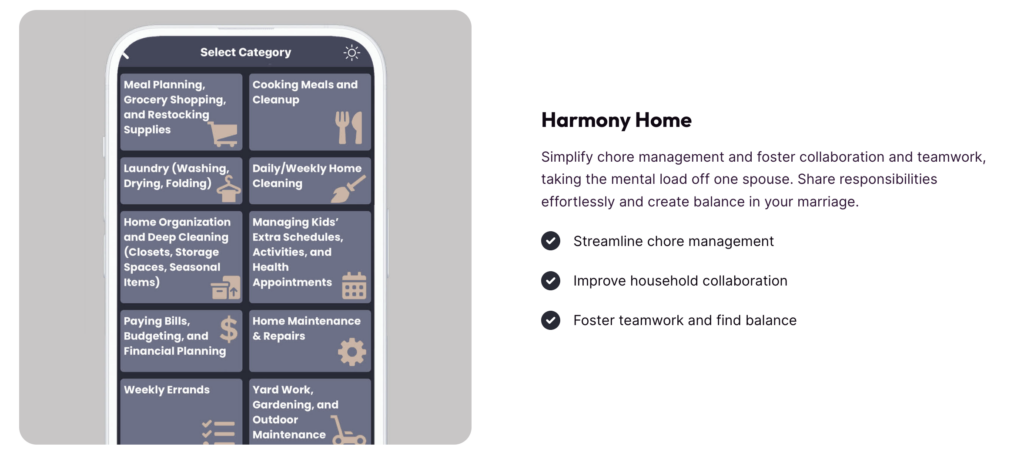
Marriage isn’t just about romance, it’s also about partnership, balance, and teamwork. That’s why we created the Harmony Home feature, which helps couples have meaningful conversations about:
- Daily schedules
- Household tasks
- Parenting responsibilities
- Finding balance and harmony in your marriage
This feature helps reduce stress and misunderstandings, creating a smoother, more connected life together. When life feels organized and harmonious, emotional and physical intimacy naturally thrives.


Key Principles for Training Your Spouse Effectively
- Consistency: Positive behaviors must be reinforced consistently, while negative behaviors should be addressed calmly and clearly.
- Boundaries: Setting clear boundaries about what is acceptable ensures mutual respect.
- Modeling Behavior: Demonstrate the behavior you wish to see in your spouse, whether it is communication, affection, or conflict management.
- Positive Reinforcement: Acknowledge and appreciate behaviors that align with your expectations, encouraging their repetition.
- Emotional Awareness: Understand your own triggers and reactions to ensure your responses train your spouse effectively rather than escalating conflict.
Real-Life Applications
Consider a couple where one spouse often comes home late without informing the other. If the other spouse consistently reacts with anger, arguments may become the default pattern. If instead they calmly express their expectations, such as asking for a text when running late and praising compliance, the spouse is trained to meet these expectations without resentment.
Another example is encouraging emotional vulnerability. If you share your feelings and your spouse responds with empathy and support, you are reinforcing that emotional openness is valued. Over time, both spouses feel safer expressing emotions, which strengthens intimacy and trust.

Conclusion
Understanding that you train your spouse how to treat you is empowering. It shifts the focus from trying to change your spouse to focusing on your own responses, boundaries, and reinforcement patterns. By consistently modeling the behaviors you want, setting clear expectations, and reinforcing positive actions, you can cultivate a marriage filled with respect, emotional connection, and intimacy.
It is also important to recognize that if you allow your spouse to engage in behaviors you do not like or tolerate actions that make you uncomfortable, they will learn that these behaviors are acceptable. Over time, this can create resentment, imbalance, and frustration in the relationship. Addressing undesired behaviors calmly and assertively sets clear boundaries and communicates that your feelings and expectations matter. This teaches your spouse to respect your needs and fosters a healthier, more balanced partnership.
Your marriage thrives when both spouses understand each other’s needs, feel heard, and act in ways that reinforce love and partnership. Ultimate intimacy begins with awareness and intentionality. Every interaction is an opportunity to strengthen your marriage, set boundaries, and shape the loving, supportive relationship you both deserve.
Check out the amazing UandI App to transform your relationship!
Here’s a sneak peek at what’s included:
- Daily Challenges – Emotional and intimate challenges to keep your connection strong.
- Date Night Challenges and Adventures – Ideas and tips for unforgettable date nights.
- Quizzes – Fun ways to learn more about each other.
- Live Polls – Engage in real-time with your spouse.
- Ask an Expert – Get relationship advice from professionals.
- Interactive Games – Including “How Well Do You Know Your Spouse?” and non-graphic sex position games.
- Intimate Conversations – Foster deep, meaningful conversations.
- Secure Chat Feature – A private space for just the two of you.
- Harmony Home – Organize and sync your household chores and schedules.
FREE to Download and Get Started!
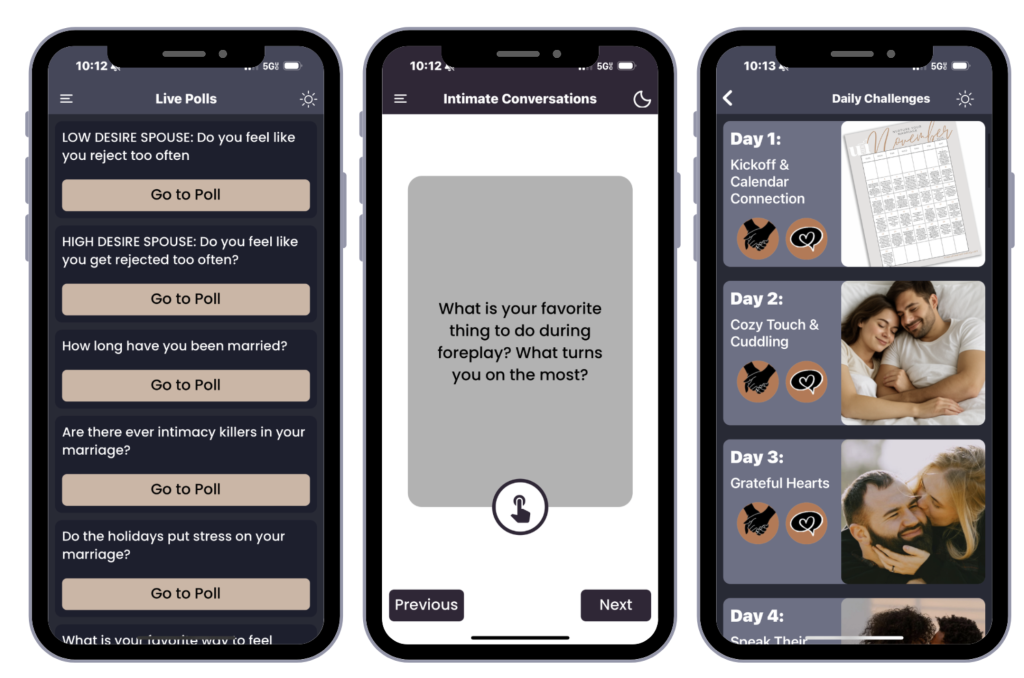
We believe this app can be a game-changer for your marriage, helping you build stronger emotional intimacy, stay organized, and even add some extra spice to your relationship. It’s totally free to download, so there’s no reason not to give it a try today!
For more information, visit uandiapp.com and get started on the journey to a more connected, exciting marriage.
We can’t wait to hear how the U&I app helps you and your spouse create the marriage you’ve always dreamed of. Here’s to stronger bonds, more fun, and lots of love!
AMAZING Products To Transform Your Intimacy
We offer tons of great intimate products, card decks, games, lubricants, massage oil and so much more to spice up and enhance the intimacy in your relationship. We are a “Christian friendly” store and offer FREE shipping in the USA! Just click on the image below to go to our store.