

Communication is the heartbeat of any marriage, but how we talk to our spouse can either strengthen the relationship or slowly erode trust and intimacy. Respectful communication goes beyond politeness—it is about showing care, validating feelings, and maintaining emotional safety in every interaction.
According to Dr. John Gottman and Dr. Julie Gottman, couples who consistently speak to each other with respect experience higher satisfaction, less conflict, and stronger long-term connection. Here’s how to elevate your conversations with your spouse so that your words always build closeness, not distance.
Step 1: Lead With Empathy
Before responding or sharing your thoughts, pause to consider your spouse’s perspective. Empathy allows you to understand their feelings, even if you disagree.
Practical tips:
- Ask yourself: “How is my spouse feeling right now?”
- Reflect back what you hear: “It sounds like you’re frustrated because…”
- Avoid jumping in with solutions immediately—sometimes listening is enough
Empathy signals respect by showing your spouse that their emotions are valid and valued. Couples who lead with empathy reduce misunderstandings and foster emotional safety.
Step 2: Use “I” Statements Instead of “You” Statements
Blame drives defensiveness. When you speak from your own perspective rather than pointing fingers, conversations remain constructive.
Example:
- Instead of: “You never help with chores.”
- Say: “I feel overwhelmed when chores pile up. Can we work together to manage them?”
This simple change transforms complaints into opportunities for collaboration. Dr. Gottman’s research shows that couples who communicate with “I” statements experience less conflict and greater mutual respect.

Step 3: Focus on Tone and Delivery
It’s not just what you say—it’s how you say it. Even a reasonable statement can sound harsh if delivered with sarcasm, yelling, or impatience.
Practical tips:
- Speak calmly, slowly, and with genuine curiosity
- Avoid raising your voice or using contemptuous language
- Use gentle gestures and maintain eye contact to convey sincerity
Respectful delivery communicates that you value your spouse’s feelings and that the conversation is a shared problem-solving moment, not a battle.
Step 4: Listen to Understand, Not to Respond
Many couples think communication is about getting their point across. True respect comes from listening to understand, not reacting immediately.
Practical tips:
- Focus fully on your spouse, putting away distractions like phones or TV
- Summarize or paraphrase what they said to confirm understanding
- Ask clarifying questions rather than assuming their intent
Dr. Julie Gottman emphasizes that couples who master listening are better at resolving conflict, maintaining emotional closeness, and avoiding unnecessary arguments.
Step 5: Avoid Negative Patterns
Some conversational habits are disrespectful, even if they feel natural: criticism, contempt, defensiveness, and stonewalling. These behaviors, identified by the Gottmans as “The Four Horsemen,” erode intimacy and trust.
Practical tips:
- Replace criticism with constructive feedback
- Avoid sarcasm, eye-rolling, or belittling comments
- Take a break if emotions escalate rather than shutting down or stonewalling
Replacing these patterns with respect-focused communication ensures that conflicts strengthen the marriage rather than damage it.

Step 6: Validate Emotions and Experiences
Validation does not mean agreeing—it means acknowledging that your spouse’s feelings are real and important.
Practical tips:
- Say: “I see why that upset you” or “I understand why you feel that way”
- Avoid dismissing or minimizing their experience
- Recognize their effort, perspective, and emotional needs
Validation reinforces that your spouse is heard and respected, fostering deeper emotional intimacy.
Step 7: Combine Respect With Affection
Words alone are powerful, but pairing them with affection amplifies respect. Touch, gentle gestures, and warmth communicate care even during difficult conversations.
Practical tips:
- Hold hands or lightly touch your spouse during discussions
- Smile or nod to convey understanding
- Use affectionate language alongside honest dialogue
Combining verbal respect with physical and emotional cues strengthens both connection and loyalty.
Step 8: Make Respect a Habit, Not an Exception
Respectful communication should be consistent, not occasional. Couples who make respect a daily practice build long-term trust, reduce conflict, and deepen emotional intimacy.
Practical tips:
- Start small with daily check-ins using empathy and “I” statements
- Celebrate successes in communication
- Reflect on conversations at the end of the day and identify moments of growth
The Gottmans highlight that couples who consistently choose respect—even during disagreements—experience higher satisfaction and marital resilience.

Conclusion
Talking to your spouse with more respect than anyone else is not about perfection—it is about intention. Leading with empathy, listening actively, validating emotions, avoiding harmful patterns, and combining words with affection transforms ordinary conversations into opportunities for connection.
Respectful communication strengthens emotional intimacy, fosters loyalty, and creates a safe space where both spouses feel valued, heard, and loved. Marriage is a lifelong journey, and by making respect the default in every conversation, couples can ensure their relationship grows stronger with each passing day.
Don’t Settle for Ordinary In your marriage!
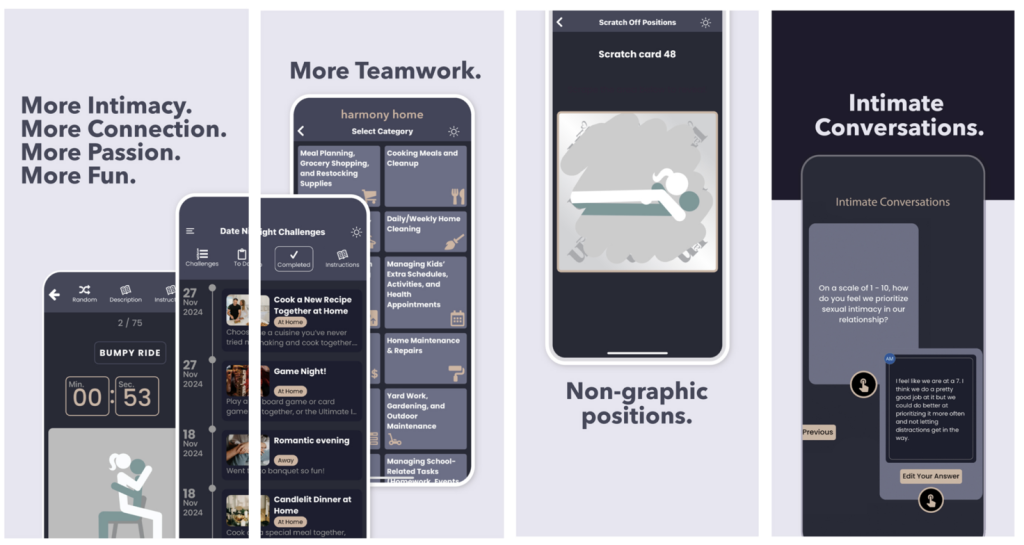
Marriage is one of life’s greatest adventures, but it takes attention, care, and creativity. With the Uandi app, you have everything you need to reignite emotional closeness, spark sexual passion, and make every day together meaningful.
We created the UandI App because we needed it ourselves, and we can honestly say it changed our marriage. Whether you’re struggling to reconnect or just want to take your relationship to the next level, UandI makes it fun, easy, and effective.