


Marriage thrives on trust, emotional safety, and mutual commitment. Loyalty is not just about avoiding betrayal; it is about creating a strong foundation that supports emotional, physical, and spiritual closeness between spouses. One of the most effective ways to protect loyalty is by setting clear boundaries. Boundaries define what is acceptable in your relationship and create guidelines that prevent misunderstanding, resentment, or emotional drift.
Marriage experts like Dr. John Gottman and Dr. Julie Gottman emphasize that loyalty grows when couples consciously protect each other’s emotional well-being and prioritize the marriage above distractions and temptations. Here are six boundaries every spouse should set, no matter what, to strengthen loyalty and intimacy.
1. Digital Boundaries
In today’s world, smartphones, social media, and messaging apps can be a source of temptation, distraction, or misunderstanding. Couples who maintain strong loyalty set clear digital boundaries to protect trust.
Practical examples include:
- Avoiding private conversations with people that could cross emotional or physical lines
- Being transparent about social media interactions and online friendships
- Setting limits on screen time during evenings or date nights
Dr. John Gottman notes that micro-betrayals—like secretive texting or excessive attention to someone outside the marriage—can erode trust over time. Digital boundaries help spouses prioritize each other and reduce opportunities for emotional drift.

2. Emotional Boundaries With Others
Emotional intimacy with someone outside the marriage can threaten loyalty even if it feels “innocent.” Spouses must guard their hearts and ensure that emotional energy is primarily invested in the marriage.
Practical examples include:
- Avoiding confiding in someone else about marital problems that should be shared with your spouse
- Limiting private emotional interactions that create dependency or attachment outside the marriage
- Keeping friendships with the opposite sex transparent and respectful
Dr. Julie Gottman emphasizes that loyalty is strengthened when both spouses know that emotional support and validation are nurtured within the marriage first.
3. Financial Boundaries
Money can become a source of conflict or betrayal if left unchecked. Couples who prioritize loyalty establish clear financial boundaries that protect both trust and mutual responsibility.
Practical examples include:
- Setting shared financial goals and budgets
- Maintaining transparency about expenditures and debts
- Agreeing on what counts as individual spending and what requires discussion
Financial boundaries prevent hidden spending or secret accounts, which can undermine trust and loyalty. They also foster teamwork and accountability, creating a shared sense of purpose in the marriage.

4. Physical Boundaries
Physical boundaries are essential for protecting loyalty and intimacy. This goes beyond sexual fidelity to include respect for personal space, touch, and physical interaction with others.
Practical examples include:
- Avoiding flirtatious physical contact with others
- Maintaining affectionate physical connection with your spouse as a priority
- Respecting each other’s comfort levels in both public and private settings
The Gottmans point out that physical fidelity is closely linked to emotional fidelity. Protecting physical boundaries ensures that attraction and desire remain focused on your spouse, reinforcing closeness and loyalty.
5. Social Boundaries
How you interact socially can either strengthen or weaken your marriage. Couples who maintain loyalty set boundaries regarding socializing and group activities.
Practical examples include:
- Prioritizing couple activities over solo social engagements
- Avoiding situations where temptation, jealousy, or gossip could arise
- Being transparent about outings, events, and the people you spend time with
Clear social boundaries help couples prevent misunderstandings and emotional breaches, fostering trust and security in the relationship.
6. Mental and Emotional Self-Care Boundaries
Finally, loyalty is not only about protecting the marriage externally—it also requires protecting yourself. Spouses who maintain mental and emotional well-being are better equipped to invest fully in the relationship.
Practical examples include:
- Setting limits on stress, work, or obligations that interfere with your marriage
- Prioritizing rest, self-reflection, and emotional regulation
- Avoiding negative influences that drain energy or compromise values
Dr. Julie Gottman notes that spouses who set self-care boundaries are less likely to seek validation or comfort outside the marriage. Protecting your mental and emotional health strengthens loyalty by allowing you to show up fully for your spouse.

Putting Boundaries Into Practice
Boundaries only work when both spouses agree and communicate openly about them. Here are some strategies to make boundaries effective:
- Discuss Expectations Openly – Talk about what you each need for loyalty, trust, and emotional safety.
- Mutual Agreement – Boundaries work best when they are shared and respected by both spouses.
- Review Regularly – Life changes, and boundaries may need adjustments. Check in periodically.
- Enforce Gently but Firmly – Boundaries should protect the marriage, not punish your spouse. Approach discussions with respect.
- Combine With Positive Connection – Boundaries work best alongside affection, communication, and shared experiences.
Conclusion
Loyalty is not automatic; it requires attention, intention, and protective measures. By setting clear digital, emotional, financial, physical, social, and self-care boundaries, spouses create a safe environment that nurtures trust, respect, and closeness.
Dr. John Gottman and Dr. Julie Gottman emphasize that boundaries are not restrictive—they are a form of care that preserves emotional and physical connection. When both spouses commit to boundaries, the marriage becomes resilient against temptation, distraction, and drift.
Boundaries are a declaration of commitment: they show that the marriage comes first, loyalty matters, and both spouses are willing to protect the trust and intimacy that sustain lifelong love.
Check out the amazing UandI App to transform your relationship!
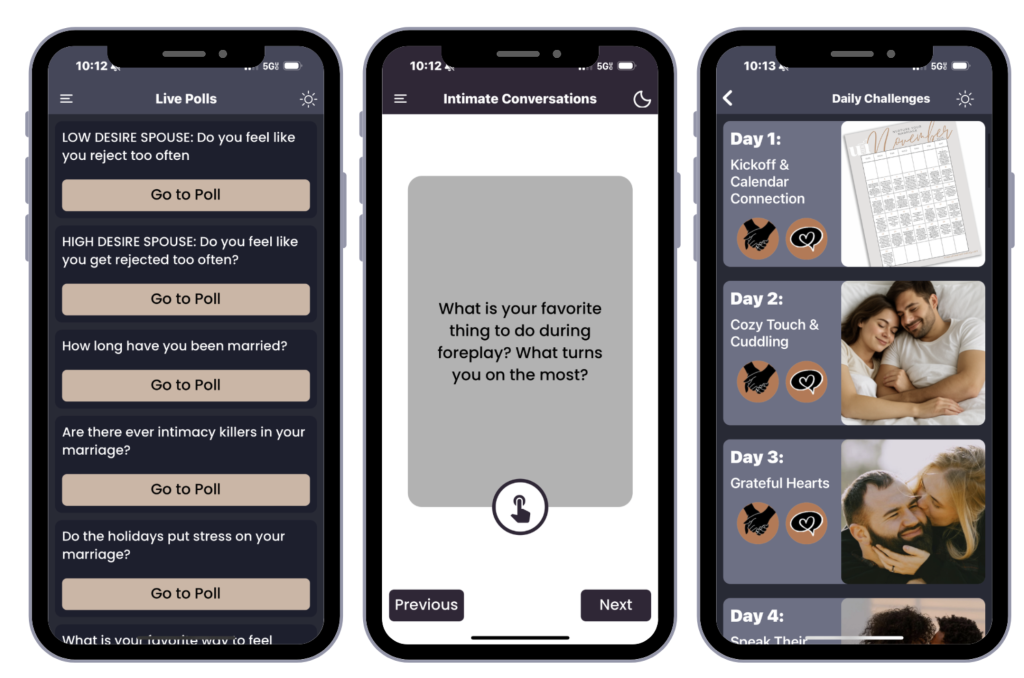
Here’s a sneak peek at what’s included:
- Daily Challenges – Emotional and intimate challenges to keep your connection strong.
- Date Night Challenges and Adventures – Ideas and tips for unforgettable date nights.
- Quizzes – Fun ways to learn more about each other.
- Live Polls – Engage in real-time with your spouse.
- Ask an Expert – Get relationship advice from professionals.
- Interactive Games – Including “How Well Do You Know Your Spouse?” and non-graphic sex position games.
- Intimate Conversations – Foster deep, meaningful conversations.
- Secure Chat Feature – A private space for just the two of you.
- Harmony Home – Organize and sync your household chores and schedules.
FREE to Download and Get Started!
We believe this app can be a game-changer for your marriage, helping you build stronger emotional intimacy, stay organized, and even add some extra spice to your relationship. It’s totally free to download, so there’s no reason not to give it a try today!
For more information, visit uandiapp.com and get started on the journey to a more connected, exciting marriage.
We can’t wait to hear how the U&I app helps you and your spouse create the marriage you’ve always dreamed of. Here’s to stronger bonds, more fun, and lots of love!


AMAZING Products To Transform Your Intimacy
We offer tons of great intimate products, card decks, games, lubricants, massage oil and so much more to spice up and enhance the intimacy in your relationship. We are a “Christian friendly” store and offer FREE shipping in the USA! Just click on the image below to go to our store.